The Essential Guide to Selecting a Gynecological Operating Table
In the evolving landscape of women's healthcare, the gynecological operating table is far more than a simple piece of furniture. It is a critical, precision instrument that directly impacts surgical outcomes, surgeon ergonomics, and patient safety. With advancements in minimally invasive techniques and a growing focus on patient-centered care, selecting the right table has become a complex but crucial decision for hospital administrators, procurement officers, and head surgeons.
This comprehensive buyer's guide from YudaMedical is designed to demystify the selection process. As a leading Hospital Operating Table Manufacturer / Supplier, we combine technical expertise with practical insights to help you make an informed investment that meets clinical needs, budgetary constraints, and future growth plans.
1. Understanding Core Requirements: Beyond the Basics
Before comparing models, define your core operational needs. A table for high-volume laparoscopic procedures has different requirements than one for routine obstetric interventions.
- Primary Surgical Procedures: List the most common surgeries (e.g., hysteroscopy, laparoscopy, C-sections, cervical procedures). This dictates necessary positioning capabilities.
- Surgeon Team Preferences: Involve the end-users. Their feedback on height adjustment range, leg section design, and control panel placement is invaluable.
- OR Integration Needs: Consider compatibility with imaging systems like C-arms. Does the table need to be a Radiolucent Operating Table or specifically C-Arm Compatible? For advanced orthopedic-gynecological hybrid cases, an Orthopedic Operating Table with gynecology attachments might be necessary.
- Patient Population: Will you be serving a diverse patient body type? The availability of a Bariatric Operating Table option or wide-top designs is essential for safe and dignified care.
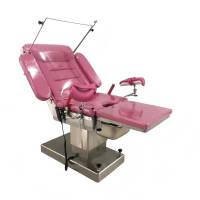
Figure 1: A specialized Gynecological Operating Table from YudaMedical, designed for optimal patient positioning and surgeon access during procedures.
2. Power and Control: Manual vs. Electric vs. Electric Hydraulic
The drive system is the heart of the table, affecting reliability, speed, and maintenance.
| Type | Key Features | Best For | Considerations |
|---|---|---|---|
| Manual Operating Table | Hand-crank adjustments, simple mechanics, lowest cost. | Budget-conscious clinics, low-volume settings, backup tables. | Requires more physical effort, slower positioning, less precision. |
| Electric Operating Table | Motor-driven movements, push-button control, precise positioning. | Most modern hospitals, high-efficiency ORs, procedures requiring frequent position changes. | Higher initial investment, requires power source, more complex components. |
| Electric Hydraulic Operating Table | Combines electric controls with hydraulic power for smooth, stable, and powerful movement, even under heavy load. | High-demand environments, bariatric surgery, need for extreme Trendelenburg or other positions. | Premium price point, requires maintenance of hydraulic system. |
For most contemporary gynecological suites, an Electric Operating Table or Electric Hydraulic Operating Table is recommended. YudaMedical's range offers both, with models featuring programmable memory positions to save time between surgeries.
3. Key Features Checklist for Gynecological & Obstetric Use
Scrutinize these features which are particularly important for gynecology:
- Split Leg Sections: Independently adjustable leg supports for lithotomy positioning are non-negotiable. Look for easy, tool-free attachment and removal.
- Trendelenburg/Reverse Trendelenburg: Essential for laparoscopic surgery to shift abdominal organs. Check the angle range (often up to 25-30°).
- Tabletop Radiolucency: A carbon fiber or composite top allows for unimpeded X-ray or C-arm imaging, crucial for procedures like ureteral stenting or certain oncological surgeries.
- Backrest and Seat Section Articulation: Smooth articulation into a "chair" position is vital for procedures like cystoscopy or cervical conization.
- Accessory Compatibility: Ensure the table can integrate with shoulder braces, arm boards, and especially Interventional Operating Table accessories if used in hybrid angiography suites.
- Hygiene and Cleanability: Seamless, fluid-resistant upholstery and minimal crevices prevent fluid pooling and simplify disinfection.
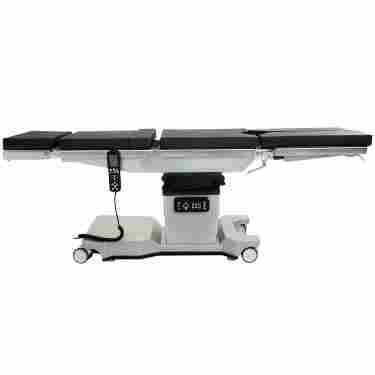
Figure 2: The robust and versatile Electric Hydraulic Operating Table from YudaMedical, offering stability for demanding surgical positions.
4. The Importance of Compliance and Manufacturer Credentials
This is where due diligence is critical. Never compromise on safety certifications.
- CE Marking & ISO Certifications: A legitimate Hospital Operating Table Manufacturer must have CE certification for medical devices (like the YudaMedical CIBG registration for hydraulic and electric tables) and operate under a quality management system like ISO 13485. This ensures design and manufacturing meet international safety and performance standards.
- FDA Registration: For sales to the US market, FDA establishment registration is mandatory. Reputable suppliers like YudaMedical maintain active FDA listings.
- Technical Documentation: Request the full technical file, Declaration of Conformity (DOC), and user manuals in your required language.
Always verify claims. You can request these documents directly from YudaMedical at sales@yudamdm.com.
5. Total Cost of Ownership (TCO) and After-Sales Support
The purchase price is just the beginning. Evaluate the TCO over a 7-10 year lifespan.
- Warranty Period & Scope: Look for a comprehensive warranty covering parts and labor. A 2-year warranty is standard, but some manufacturers offer more.
- Availability of Spare Parts: How long will parts be available? A manufacturer with a large production volume like YudaMedical is more likely to support your table long-term.
- Service Network: Does the supplier have trained technicians in your region? Can they provide remote diagnostic support?
- Training: Proper staff training on operation and safety features prevents misuse and damage. Ensure it's included.
Partnering with an experienced Hospital Operating Table Supplier that also provides surgical lights and pendant systems (like YudaMedical) can streamline procurement and ensure better ecosystem compatibility.

Figure 3: Inside the standardized production workshop of Shandong Yuda Medical Device Technology Group, ensuring quality control from R&D to final assembly.
6. Making the Final Decision: Questions to Ask Your Supplier
Arm yourself with these questions during negotiations:
- Can you provide a live or recorded demo of the specific Gynecological Operating Table model performing the positions we need?
- What is the lead time for delivery and installation?
- Do you offer OEM/ODM services if we need custom modifications for our specific workflow?
- Can you share contact information for 2-3 current users of this model in similar hospital settings?
- What is the protocol for emergency technical support?
Conclusion: Investing in Precision and Care
Choosing a gynecological operating table is a strategic decision that impacts clinical efficiency for years. By methodically assessing your needs, prioritizing key features like radiolucency and electric positioning, and rigorously verifying manufacturer credentials and support, you can select a table that becomes a reliable partner in delivering exceptional patient care.
For a detailed consultation, product dossier, or to discuss your specific requirements for an Electric Operating Table, Electric Hydraulic Operating Table, or any specialized Operating Tables, contact the experts at YudaMedical.
Shandong Yuda Medical Device Technology Group Co., Ltd.
Your Partner in Operating Room Solutions.
📞 Phone/WhatsApp: +8618653741100
📧 Email: sales@yudamdm.com
🌐 Website: https://www.yudamdm.com/
📍 Address: No. 6, Ji'an Road, Xinyan Town Industrial Park, Yanzhou District, Jining City, Shandong Province