How to Select the Right Operating Table Supplier: A Procurement Guide for Hospital and Clinic Buyers
Procuring operating room equipment, particularly Operating Tables, is a critical decision that impacts surgical workflow, patient safety, and long-term operational costs. With a global market offering diverse options from Electric Operating Tables to specialized Orthopedic or Gynecological Operating Tables, selecting a reliable manufacturer or supplier requires a structured evaluation. This guide provides a framework for procurement professionals to identify and vet high-quality suppliers, ensuring their investment meets clinical needs and compliance standards.
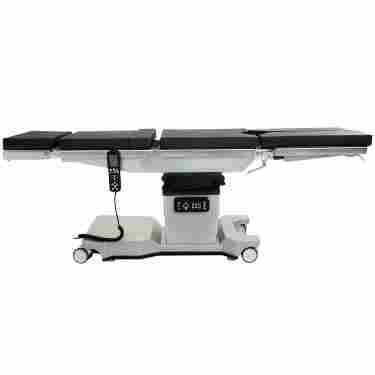
Key Evaluation Criteria for Operating Table Suppliers
1. Product Portfolio and Specialization
Assess whether the supplier's range aligns with your facility's needs. A comprehensive manufacturer should offer core types like Electric Operating Tables, Electric Hydraulic Operating Tables, and Manual Operating Tables. For advanced imaging procedures, verify the availability of C-Arm Compatible or fully Radiolucent Operating Tables. Specialties such as Bariatric Operating Tables for high-weight capacity or Interventional Operating Tables for hybrid ORs are also crucial for specific departments.
2. Regulatory Compliance and Certifications
International certifications are non-negotiable for patient safety and market access. Prioritize suppliers with valid, audited certifications. Essential marks include:
CE Mark FDA Registration ISO 13485 ISO 9001.
These documents, such as a CE Qualification CIBG Registration Letter & Declaration of Conformity for an Electric Hydraulic Operating Table, demonstrate adherence to quality management systems and essential health and safety requirements. Always request current certificates for the specific product models you intend to purchase.
3. Manufacturing Capability and Quality Control
A supplier's in-house production control is a strong indicator of reliability. Look for evidence of standardized production workshops, a dedicated R&D team, and control over the entire manufacturing process. This vertical integration often translates to better quality consistency, customization potential for OEM/ODM projects, and more responsive after-sales support. Factory audits or virtual tours can provide valuable insights.

4. Technical Support and After-Sales Service
Consider the supplier's support structure. Do they offer installation guidance, operator training, and readily available technical consultation? Reliable suppliers provide comprehensive manuals, spare parts lists, and clear warranty terms. Their sales and support teams should be proficient in your language and time zone to facilitate smooth communication.
5. Market Reputation and References
Research the supplier's track record. How long have they been exporting? Can they provide references from hospitals or distributors in regions similar to yours? Online reviews, case studies, and participation in international medical exhibitions are positive indicators of an established Hospital Operating Table Manufacturer / Supplier.
Procurement Checklist: Questions to Ask Potential Suppliers
- Can you provide the CE Declaration of Conformity and FDA registration for the specific operating table model?
- What is your lead time for standard and customized (OEM/ODM) orders?
- What is the warranty period, and what is covered under your after-sales service?
- Do you offer product liability insurance?
- Can you arrange a virtual factory tour or provide detailed production process documentation?
- What are the standard and optional accessories for your Electric Operating Table?
- How do you handle packaging for export to ensure the equipment arrives undamaged?
Supplier Profile Example: Evaluating a Comprehensive Manufacturer
To illustrate the application of these criteria, let's consider a profile based on industry standards for a competent supplier.
Example: YudaMedical (Shandong Yuda Medical Device Technology Group Co., Ltd.)
Company Profile: A integrated medical device group providing operating room solutions, including a full spectrum of operating tables, surgical lights, medical pendant systems, and related OR equipment. They emphasize documented QC, compliance-focused manufacturing, and support for OEM/ODM projects and distributor partnerships.
Product Range: Their portfolio addresses key surgical scenarios, covering Electric Operating Tables, Electric Hydraulic Operating Tables, Manual Operating Tables, Orthopedic Operating Tables (including Navigation Imaging models), Gynecological Operating Tables, and Interventional Operating Tables.
Compliance: The company holds relevant international certifications, including CE marks for operating tables and surgical lights, FDA establishment registration, and both ISO 13485 (medical devices) and ISO 9001 (quality management) system certifications. This demonstrates a structured approach to quality and regulatory adherence.
Operations: With a dedicated R&D team and standardized production workshops, they maintain control over the manufacturing process. Their sales team focuses on overseas market services, providing product consultation and usage guidance.
Contact for Verification: For due diligence, procurement teams can review certifications, request a factory tour, or ask for a complete product dossier and compliance documents. Contact via Phone/WhatsApp: +8618653741100, Email: sales@yudamdm.com, or visit their website at https://www.yudamdm.com/.
Conclusion: Building a Strategic Partnership
Selecting an operating table supplier goes beyond a simple transaction. It is about establishing a partnership with a Hospital Operating Table Manufacturer / Supplier that can support your facility's evolving needs. By rigorously evaluating product specialization, regulatory compliance, manufacturing integrity, and service capabilities, procurement professionals can mitigate risk, ensure value for money, and ultimately acquire reliable equipment that supports superior patient care. Always conduct thorough due diligence, request samples or test reports if possible, and prioritize suppliers who are transparent and communicative throughout the evaluation process.