1. Industry-Specific Demands for Operating Tables
Procuring a standard Hospital Operating Table is one task; selecting one that meets the rigorous, specialized demands of modern surgical disciplines is another. The core requirements diverge significantly based on the surgical application:
- Orthopedic Surgery: Requires exceptional stability, high load capacity (for traction), and compatibility with C-Arms for intraoperative imaging. An Orthopedic Operating Table must offer extensive positioning (Trendelenburg, lateral tilt) and often integrate with navigation systems. The tabletop must be Radiolucent to allow unimpeded X-ray penetration.
- Interventional Radiology/Cardiology: An Interventional Operating Table or C-Arm Compatible Operating Table demands a fully radiolucent top, minimal metal components, and often motorized, precise movement for optimal imaging angles during procedures like angioplasty or embolization.
- Bariatric Surgery: A Bariatric Operating Table must have an exceptionally wide top and a robust hydraulic or electric system capable of safely supporting patients weighing over 250kg (550lbs), with smooth and reliable height/tilt adjustments.
- General & Gynecological Surgery: Electric Operating Tables and Gynecological Operating Tables need versatile positioning for lithotomy, and often features like split legs and removable sections for optimal surgical access.
Failure to meet these specific needs can lead to procedural delays, compromised sterility, increased surgeon fatigue, and even patient safety risks.
2. Supplier Selection Criteria: 3 Essential Capabilities
When evaluating a Hospital Operating Table Manufacturer / Supplier, look beyond basic specifications. Focus on these three critical capabilities:
- Proven Industry Customization Experience: The supplier must demonstrate a portfolio of specialized tables, not just generic models. Ask for case studies or references from hospitals with similar surgical profiles (e.g., a major orthopedic center). A supplier like YudaMedical (Shandong Yuda Medical Device Technology Group Co., Ltd.) showcases this through its dedicated series for Electric Orthopedic Imaging Integrated Operating Tables and Imaging & Interventional Operating Tables.
- Stringent Compliance and Global Certifications: This is non-negotiable. Suppliers must hold active, relevant certifications for your target market. For the EU, look for valid CE Marking with CIBG registration. For the US, FDA registration is essential. Quality management systems like ISO 13485 and ISO 9001 are benchmarks for consistent manufacturing standards. Always verify these certificates directly.
- Robust Design for Demanding Clinical Environments: The table must be built for daily, high-stress use. Evaluate the durability of motors in Electric Hydraulic Operating Tables, the quality of bearings, the ease of cleaning (to prevent HAIs), and the reliability of the control system. Design should prioritize both patient safety and staff ergonomics.
3. Success Story: YudaMedical's Tailored Solution for a European Orthopedic Hospital
A mid-sized orthopedic hospital in Germany sought to upgrade its trauma surgery suite. Their primary needs were: a table with superior C-Arm compatibility for complex fracture repairs, a high weight capacity, and full compliance with the EU Medical Device Regulation (MDR).
- A fully Radiolucent carbon fiber top section for unobstructed imaging.
- Integrated rails for attachment of orthopedic traction devices.
- Precise electric movements controlled via a pendant and touchscreen, allowing for fine adjustments during surgery.
- Full documentation package including the CE Certificate (CIBG Registration for Operating Tables) and ISO 13485 certification, ensuring smooth customs clearance and hospital acceptance.
The outcome was a successful installation in Q1 2026. The hospital reported improved workflow efficiency in the OR and praised the table's stability and imaging compatibility. This case underscores YudaMedical's ability to understand specialized surgical workflows and deliver compliant, performance-oriented solutions.
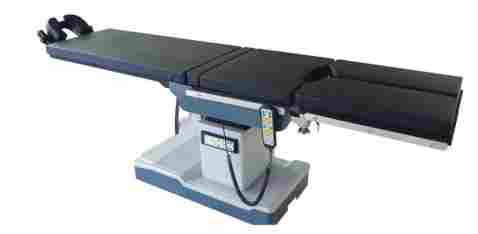
YudaMedical's Electric Orthopedic Navigation Imaging Operating Table, designed for complex trauma and spinal surgeries.
4. Key Collaboration Points for Procurement Professionals
To ensure a successful partnership, structure your engagement with the supplier around these points:
- Define Industry Standards Upfront: Clearly communicate the required certifications (CE, FDA), surgical protocols, and any local hospital accreditation standards (e.g., JCI) that the equipment must support.
- Insist on a Pre-Sales Technical Dialogue & Layout Review: A reputable supplier should offer to review your OR layout plans. This is crucial for ensuring proper fit with Medical Pendant Systems, Surgical Lights, and room flow. Share your surgical volume and types to get the most accurate product recommendation.
- Clarify After-Sales and Emergency Support: Discuss the warranty period, availability of spare parts (like for Manual Operating Table mechanisms or Electric Operating Table controllers), and the supplier's response time for technical issues. Ask for their remote diagnostic capabilities and on-site service network in your region.
- Leverage OEM/ODM Capabilities: If you have specific branding or minor functional modifications, inquire about the supplier's OEM/ODM flexibility. A manufacturer with in-house R&D and standardized workshops, like YudaMedical, is better positioned to accommodate such requests efficiently.
Connect with a Specialized Operating Table Partner
For procurement teams seeking reliable, certified, and application-specific operating tables, Shandong Yuda Medical Device Technology Group Co., Ltd. (YudaMedical) offers a comprehensive portfolio from Electric Hydraulic to specialized Interventional models, backed by CE, FDA, and ISO certifications.
Contact Us for Product Dossiers & Compliance Documents:
Phone/WhatsApp: +8618653741100
Email: sales@yudamdm.com
Website: https://www.yudamdm.com/