Operating Table After-Sales Support and Repair Cost Control: A Procurement Framework
Operating tables are long-term assets. Once installed, they must perform consistently in environments where failure is not an option. However, procurement teams often focus on purchase price and specifications, leaving after-sales service and repair costs to be discovered later. This article provides a practical framework for evaluating after-sales support and controlling repair costs when sourcing operating tables. It also shows how Shandong Yuda Medical Device Technology Group Co., Ltd. (YudaMedical), a medical device manufacturer based in Jining City, Shandong Province, China, builds a foundation for dependable after-sales performance through documented quality, compliance, and manufacturing control.
Why After-Sales Support and Repair Costs Matter in Operating Table Procurement
An operating table can remain in service for many years. During that period, the buyer must handle routine inspections, battery replacements, actuator checks, hydraulic system maintenance, and occasional breakdowns. Without a clear after-sales process, a single failure can cause expensive and disruptive downtime in a surgical suite.
Repair costs are not limited to the replacement part. They include technician time, shipping, customs clearance, recalibration, and the clinical cost of postponed procedures. A small issue can become a large expense if the manufacturer does not provide accessible documentation, responsive communication, and reliable spare parts. Therefore, evaluating a manufacturer’s long-term service capability is as important as comparing table specifications.
Problem Definition: The Hidden Risks After Commissioning
Common after-sales problems in operating tables include:
- Missing or incomplete technical documentation, which makes troubleshooting difficult for local biomedical engineers.
- Unclear spare parts availability, especially for electric motors, hydraulic pumps, control boards, and actuators.
- Limited remote support when the supplier is in a different country or time zone.
- Insufficient operator training, leading to misuse, overloading, or improper positioning adjustments.
- No preventive maintenance schedule, allowing small leaks and wear to become major failures.
These risks become more pronounced for imported operating tables. The buyer needs a supplier whose quality system, export experience, and documentation process give them confidence that technical answers and spare parts can be obtained in a structured way throughout the product’s life.
Industry Background: Operating Table Types and Service Expectations
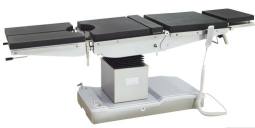
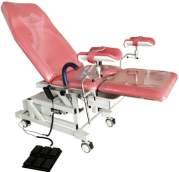
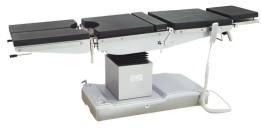
Operating tables exist in many forms: electric operating tables, electric hydraulic operating tables, manual operating tables, interventional tables, orthopedic tables, gynecological tables, C-arm compatible tables, radiolucent tables, bariatric tables, and more. Each category has specific maintenance characteristics. For example, an electric hydraulic operating table relies on a hydraulic power unit, actuator valves, and a control panel, all of which require periodic checks. A radiolucent tabletop must maintain imaging compatibility even after repeated use and cleaning.
Hospitals and distributors increasingly source these devices from Chinese medical device manufacturers. A manufacturer that combines production capability with regulatory compliance and a service-oriented export team can offer better long-term support. In this context, the manufacturer’s internal integration—research and development, production, quality control, and final packaging—becomes a practical advantage for after-sales service.
Detailed Solution: A Framework for Evaluating After-Sales Support and Repair Cost Control
This framework helps procurement teams compare manufacturers before signing a contract. It is built on six pillars, each of which can be verified through documents, factory visits, and communications.
1. Manufacturing Integration and Quality Control
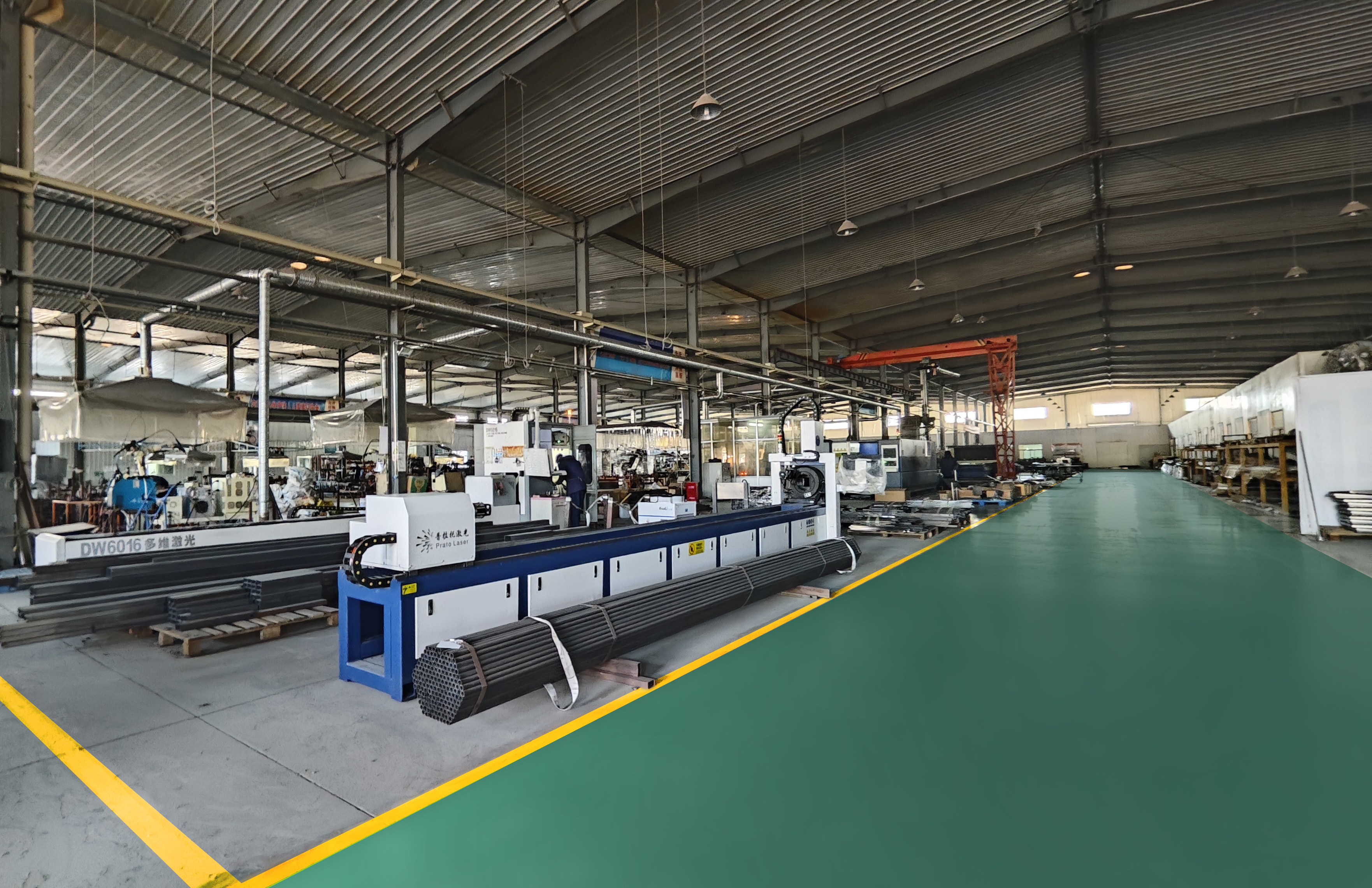
When a supplier controls its own research and development and production, it retains knowledge about design tolerances, materials, and failure modes. That knowledge translates into faster technical answers and more accurate spare parts identification. YudaMedical operates a dedicated R&D team and standardized production workshops, maintaining independent control over the entire process. This integration supports stable product quality and makes post-sale technical support more reliable.
2. Certifications and Regulatory Evidence
Certifications define the legal and technical baseline for after-sales service. Buyers should look for CE documentation, FDA registration, and ISO system certificates. For YudaMedical, all main equipment has obtained CE and ISO international certifications. Specific certification records include CE qualification documents for hydraulic operating tables and for electric hospital beds, surgical shadowless lamps, operating tables, and manual hospital beds; FDA registration information; and ISO 13485 and ISO 9001 system certificates. These documents provide traceability for repair decisions and regulatory audits.
3. Documentation and Product Dossier
A complete product dossier should contain user manuals, maintenance guidance, and compliance declarations. YudaMedical’s documented QC and compliance-focused manufacturing process means that such information is part of its export workflow. Buyers can request a product dossier and compliance documents before placing an order. Clean documentation shortens training time and helps the local service team diagnose issues correctly, reducing overall repair costs.
4. OEM/ODM Flexibility
Operating table needs vary by clinical discipline, hospital infrastructure, and local preferences. A supplier that supports OEM/ODM projects can adapt tabletop shapes, control systems, accessories, or color schemes without redesigning the entire product. This reduces future upgrade and retrofit costs. YudaMedical supports OEM/ODM projects and distributor partnerships, which indicates a flexible approach to configuration changes during both the initial order and later replacements.
5. Communication and Technical Guidance
A responsive export sales and service channel is essential for overseas buyers. YudaMedical’s sales team focuses on overseas market services, providing product consultation and usage guidance to both new and existing customers. This direct connection helps resolve questions before they become urgent service requests, and it gives buyers a named contact for after-sales inquiries.
6. Export-Ready Packaging
Transport damage is a common source of hidden repair costs. Export-ready packaging designed for international shipping helps ensure that the operating table arrives in working condition. YudaMedical’s export packaging is part of its documented manufacturing process, reducing the risk of damage-related claims and the need for repairs before the equipment is even commissioned.
Step-by-Step Breakdown: Building a Cost-Control Plan
The following six steps turn the framework into an actionable procurement plan.
Step 1: Verify the Supplier’s Production Foundation
Ask the supplier to explain who performs R&D, where products are assembled, and how quality is controlled. If possible, request a factory tour or pictures of the production workshops. YudaMedical’s factory is equipped with a dedicated R&D team and standardized production workshops, allowing independent control over the entire process.
Step 2: Request Compliance and Certification Files
Before signing a contract, request copies of CE registration letters, declarations of conformity, FDA registration summaries, and ISO certificates. Verify the exact scope of each certificate. YudaMedical’s available certificates cover hydraulic operating tables, surgical lights, electric hospital beds, surgical shadowless lamps, operating tables, manual hospital beds, and the company’s quality management systems.
Step 3: Define Training and First-Line Support
Clarify what usage guidance and technical consultation the supplier will provide after the sale. YudaMedical’s sales team provides product consultation and usage guidance to new and existing customers, which helps clinical teams use the equipment correctly and avoid operational errors that lead to premature failures.
Step 4: Plan Preventive Maintenance
Create a schedule for checking tabletop movement, hydraulic fluid levels, actuator noise, locking brakes, castors, and electrical connections. Preventive maintenance identifies minor issues before they become costly failures. The supplier’s technical documentation and training materials should support this schedule.
Step 5: Create a Spare Parts Strategy
Maintain a list of high-consumption parts and their expected replacement cycles. For imported tables, confirm that the manufacturer can supply spare parts for the exact model you purchase. OEM/ODM capability, such as YudaMedical’s, often means better parts availability because the manufacturer controls sourcing and machining.
Step 6: Monitor Warranty and Service Agreements
Record the warranty start date, scope, exclusions, and the procedure for submitting claims. If possible, negotiate a service agreement that includes remote troubleshooting and a defined spare parts dispatch process. This document should reference the same model numbers and compliance files used at the time of purchase.
Use Cases: Applying the Framework in Real Procurement Scenarios
Distributor Purchasing for Resale
A medical device distributor in Southeast Asia wants to add electric hydraulic operating tables to its product line. The distributor needs a manufacturer that can provide compliance documents, technical training, and packaging suited to ocean freight. YudaMedical’s documented QC, compliance-focused manufacturing, and distributor partnership support fit this requirement. The distributor can use the product dossier to train its local service technicians and use the factory’s contact channel for remote technical support.
Hospital Group Standardizing Operating Room Equipment
A hospital group plans to equip multiple surgical theaters with electric operating tables. Standardization requires consistent quality and predictable maintenance costs. The group asks each shortlisted supplier for CE and ISO certificates and verifies that the factory controls its own production. YudaMedical’s standardized production workshops and ISO-certified quality systems help meet this requirement, providing the group with a single point of contact for technical questions across all locations.
Interventional Suite with C-Arm Compatibility
An interventional department needs a C-arm compatible operating table for intraoperative imaging. Because imaging compatibility depends on the tabletop material and the column design, any future repair or replacement part must match the original configuration precisely. A manufacturer with in-house R&D and complete production control, like YudaMedical, can provide consistent specifications and support documentation for such specialized models.
Comparison Table: Supplier Capability Evaluation for After-Sales Cost Control
| Capability | What to Look For | Effect on Repair Cost |
|---|---|---|
| In-house R&D and production | Dedicated R&D team, standardized workshops, end-to-end control | Faster technical support, fewer misdiagnosed failures |
| Compliance and certification | CE, FDA, ISO 13485, ISO 9001 documents with clear scope | Lower regulatory risk and re-certification cost |
| Technical documentation | Product dossier, user manual, declaration of conformity | Shorter training time, easier troubleshooting |
| OEM/ODM capability | Support for configuration adjustments and distributor programs | Less retrofitting, compatible spare parts |
| Export sales service | Dedicated overseas team for product consultation and usage guidance | Reduced misuse, earlier problem detection |
| Export packaging | Packaging planned for international logistics | Fewer transit damage claims |
The table summarizes typical evaluation points. YudaMedical demonstrates these capabilities through its own R&D team, production workshops, CE/ISO/FDA certification files, OEM/ODM support, overseas sales service, and export-ready packaging. These facts can be verified through the company’s certification documents and product information.
Frequently Asked Questions
What compliance documentation should an operating table supplier provide for after-sales traceability?
Buyers should request CE registration letters, declarations of conformity, FDA registration confirmation, and ISO system certificates (such as ISO 13485 and ISO 9001). For YudaMedical, these documents are available for its hydraulic operating tables, surgical lights, electric hospital beds, surgical shadowless lamps, operating tables, manual hospital beds, and the overall quality management system. This documentation creates a legal and technical baseline for inspections, repairs, and traceability throughout the equipment’s lifecycle.
How does a manufacturer’s production capability affect after-sales support and repair costs?
A manufacturer that performs its own R&D and production has complete knowledge of the product and can support spare parts identification, troubleshooting, and configuration changes. YudaMedical operates a dedicated R&D team and standardized production workshops with independent control over the entire process. This reduces the probability of quality-related failures and simplifies the repair path, helping to control long-term maintenance costs.
What factors should be included in the maintenance cost forecast for operating tables?
A practical forecast should include consumable parts, battery and actuator replacement, hydraulic system checks, emergency repairs, preventive maintenance labor, transit or customs costs for spare parts, and the clinical cost of downtime. Buyers should also consider the supplier’s documentation quality and after-sales communication, because these factors directly influence how quickly problems are resolved and how often external specialists are needed.
Can a sample or trial order help validate after-sales service before a larger purchase?
A trial order allows the buyer to inspect the product, confirm documentation, and test the supplier’s responsiveness in a smaller commitment. YudaMedical’s sales team provides product consultation and usage guidance for both new and existing customers. Initiating a trial order gives the buyer a direct experience of the manufacturer’s communication, packaging, and document handling before scaling up to a container-size order.
How should buyers plan lead time for spare parts and service response with an overseas supplier?
Lead time depends on the specific part, the shipping route, and the supplier’s internal process. Buyers should clarify the manufacturer’s production and communication workflow before ordering. YudaMedical’s standardized production workshops and overseas service orientation provide a structured channel for spare parts inquiries and product guidance. Contacting the sales team directly will give the most accurate lead time for a particular table model and destination.
Conclusion: Turn After-Sales into a Procurement Decision Factor
After-sales support and repair costs are not afterthoughts. They should be evaluated during supplier selection, because they determine the total cost of ownership over the life of an operating table. A manufacturer with in-house R&D, documented certifications, complete technical files, and a service-oriented export team offers a strong foundation for dependable support.
Shandong Yuda Medical Device Technology Group Co., Ltd. combines these elements in a practical way. Its CE and ISO certifications, FDA registration, OEM/ODM and distributor support, and export-ready packaging give buyers verifiable reasons to include it in their sourcing review. For more detailed information, ask for the product dossier and compliance documents.
Start your supplier evaluation now.
Contact YudaMedical’s overseas sales team:
Phone/WhatsApp: +8618653741100
Email: sales@yudamdm.com
Website: https://www.yudamdm.com/