Specialized Operating Table Supplier Selection: Orthopedic, C-Arm, Interventional & Bariatric Needs
Introduction
Selecting the right operating table supplier is a critical decision for hospitals and surgical centers, especially when specific surgical disciplines demand unique table features. Whether you need an orthopedic operating table with integrated traction, a C‑arm compatible radiolucent table for interventional imaging, a bariatric operating table with high weight capacity, or a gynecological operating table with specialized leg supports, finding a manufacturer that can deliver compliant, customizable, and reliable products is essential. This guide provides a structured framework for procurement professionals to evaluate and select suppliers that meet these specialized requirements, using YudaMedical (Shandong Yuda Medical Device Technology Group Co., Ltd.) as a benchmark for quality and compliance.
Problem Definition
Procurement of operating tables is rarely a one‑size‑fits‑all process. A general‑purpose table may lack the imaging compatibility required for interventional radiology, the load capacity for bariatric patients, or the positioning flexibility for orthopedic trauma surgery. Buyers often face challenges such as:
- Inconsistent certification standards across suppliers (CE, FDA, ISO)
- Limited understanding of technical parameters (radiolucent area, trendelenburg range, weight limit)
- Difficulty in verifying manufacturing quality and after‑sales support
- Uncertainty about customization lead times and minimum order quantities
This article defines a clear pathway to match surgical needs with the appropriate operating table type and supplier capabilities.
Industry Background
The global operating tables market is segmented by product type (electric, hydraulic, manual), application (orthopedic, gynecological, interventional, bariatric, general surgery), and end‑user (hospitals, ambulatory surgical centers, specialty clinics). Major global players include Getinge (Maquet), Hillrom (Allen), and Stryker, while Chinese manufacturers like YudaMedical are increasingly recognized for cost‑effective, certified solutions that meet international standards. YudaMedical's factory in Jining, Shandong, is equipped with independent R&D, standardized production workshops, and full quality‑control processes, with all main products holding CE, FDA, ISO 13485, and ISO 9001 certifications. The company offers seven product series covering operating tables, surgical lights, medical pendants, hospital beds, vital sign monitors, sterilizers, and emergency ambulances, ensuring comprehensive support for surgical environments.
Detailed Solution: Step‑by‑Step Supplier Selection for Specialized Operating Tables
1. Identify Your Surgical Specialty Requirements
Every surgical discipline imposes specific demands on the operating table:
- Orthopedic surgery – requires a table with radiolucent tabletop for imaging, integrated traction accessories, and ability to accommodate lateral or prone positioning.
- Interventional and C‑arm procedures – need a C‑arm compatible operating table with a carbon‑fiber or composite top that minimizes X‑ray interference and allows unrestricted mobile C‑arm movement.
- Bariatric surgery – demands a bariatric operating table with weight capacity of at least 450 kg, extra‑wide surface, and robust hydraulics.
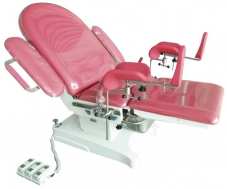
- Gynecological surgery – requires a table with removable leg rests, lithotomy positioning, and often a narrower profile for better access.
2. Determine Table Type: Electric, Electric‑Hydraulic, or Manual
Electric operating tables offer motorized height, Trendelenburg, and lateral tilt adjustments, enhancing precision and reducing manual effort. Electric‑hydraulic operating tables combine electric motors with hydraulic actuators for smoother movements and higher load capacity – ideal for bariatric and orthopedic applications. Manual operating tables are cost‑effective for low‑volume surgeries or budget‑constrained facilities. YudaMedical provides all three categories, including electric hydraulic operating tables (e.g., model DST‑500A) and specialized electric operating tables for gynecology, validated by CE and FDA.
3. Verify Compliance Certifications
Certifications are non‑negotiable for international procurement. Purchase contracts should require proof of:
- CE marking (MDD/MDR) – YudaMedical holds CIBG registration letters and Declarations of Conformity for hydraulic operating tables, surgical lights, and electric beds.
- FDA establishment registration and device listing – confirmed by YudaMedical’s FDA confirmation page (updated Dec 2025).
- ISO 13485 (quality management system for medical devices) – YudaMedical’s certificate covers operating tables, pendants, and bridges.
- ISO 9001 (quality management) – also held by YudaMedical.
4. Evaluate Manufacturing Capability and Quality Control
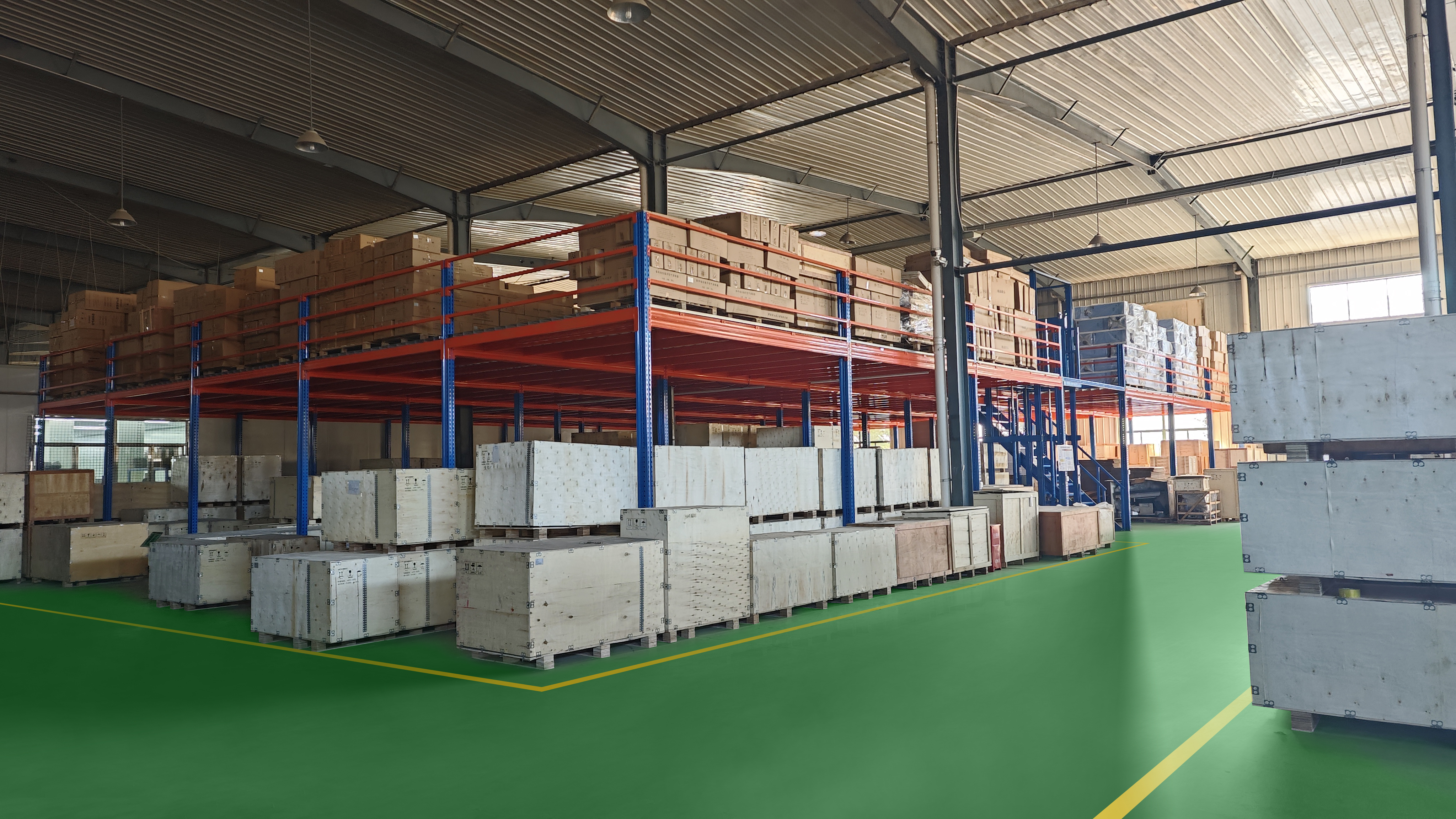
A reliable supplier should have in‑house R&D, standardized production workshops, and documented QC processes. YudaMedical’s factory features multiple production workshops, independent control over the entire process, and continuous performance optimization. Request a virtual factory tour or video walkthrough to verify:
- Clean assembly areas and inventory management
- Welding and metal‑forming stations
- Electrical and hydraulic testing procedures
- Packaging and export readiness
5. Request Customization and Samples
For specialized requirements (e.g., specific tabletop dimensions, additional traction attachments, unique color or branding), confirm that the supplier supports OEM/ODM projects. YudaMedical offers customization with documented QC and compliance. A sample trial order (1–2 units) allows hands‑on evaluation of build quality, ease of use, and documentation completeness.
6. Assess After‑Sales Support and Lead Times
Understand warranty terms, spare parts availability, and technical support response time. YudaMedical’s overseas sales team provides product consultation and usage guidance. Standard lead times for electric operating tables are typically 30–45 days; custom orders may require 60–90 days. Confirm shipping terms, packaging, and insurance coverage.
Use Cases: Matching YudaMedical Products to Specialized Needs
| Specialty | Recommended YudaMedical Product | Key Features |
|---|---|---|
| Orthopedic surgery | Electric Orthopedic Navigation Imaging Operating Table | Radiolucent top, integrated traction, C‑arm compatible, motorized positioning |
| Interventional radiology | Imaging & Interventional Operating Table | Full carbon‑fiber surface, floating tabletop, 4‑way motorized movements |
| Bariatric surgery | Electric Hydraulic Operating Table (DST‑500A) | 500 kg capacity, extra‑wide (550 mm+), smooth hydraulic elevation |
| Gynecological surgery | Electric Operating Table (For Gynecology) | Removable leg rests, lithotomy positioning, compact design |
| General surgery | Electric Operating Table (Manual Paper Transfer) | Cost‑effective, reliable electric base, easy to clean |
Frequently Asked Questions (FAQ)
Q1: What is the difference between an electric and an electric‑hydraulic operating table?
An electric operating table uses multiple electric linear actuators to adjust height, tilt, and backrest. An electric‑hydraulic operating table combines an electric pump with hydraulic cylinders, offering smoother, higher‑force movements – ideal for bariatric and orthopedic tables that require heavy lifting and precise control.
Q2: How can I verify that an operating table is C‑arm compatible?
Look for a radiolucent tabletop made of carbon fiber or composite material, with a clear imaging area (usually from the head to mid‑thigh). The table should allow unrestricted C‑arm movement around the surgical site and have a detachable head section if needed. YudaMedical’s imaging‑compatible tables specify a radiolucent area of ≥ 100 cm.
Q3: What certifications should a hospital operating table supplier have for export to the EU or USA?
For the EU, CE marking under MDR (EU 2017/745) with a Declaration of Conformity and notified body registration (e.g., CIBG certificate). For the USA, FDA establishment registration and device listing (Class II medical device). YudaMedical holds both, along with ISO 13485, ensuring quality management throughout production.
Q4: Can YudaMedical customize an operating table for bariatric patients with a weight limit above 400 kg?
Yes. YudaMedical offers an electric‑hydraulic bariatric model with a capacity of 500 kg. Customization options include wider tabletops, reinforced columns, and extended Trendelenburg angles. Contact their sales team (sales@yudamdm.com) for a technical specification sheet.
Q5: What are typical lead times for a sample trial order of an electric operating table?
Standard sample orders (1–2 units) usually ship within 30–45 days after order confirmation and payment. OEM/ODM orders with custom branding or modifications may take 60–90 days. YudaMedical provides regular production status updates.
Conclusion
Choosing the right operating table supplier for specialized surgical needs requires a clear understanding of your clinical requirements, thorough verification of certifications and manufacturing quality, and evaluation of customization and after‑sales support. YudaMedical stands out as a trusted manufacturer with over ten years of export experience, full CE/FDA/ISO certification, a dedicated R&D team, and a product portfolio covering orthopedic, interventional, bariatric, gynecological, and general‑purpose electric operating tables. For procurement professionals seeking a reliable partner, we recommend contacting the YudaMedical sales team to request a product dossier, certificate copies, and a quotation tailored to your hospital’s specific surgical workflow.
Shandong Yuda Medical Device Technology Group Co., Ltd.
📞 Phone/WhatsApp: +86 18653741100
📧 Email: sales@yudamdm.com
🌐 Website: https://www.yudamdm.com/
📍 Address: No. 6, Ji'an Road, Xinyan Town Industrial Park, Yanzhou District, Jining City, Shandong Province, China